Planting winter cover crops in Ellis County: timing, species, and soil benefits
October 26, 2026 · Shannon Miles
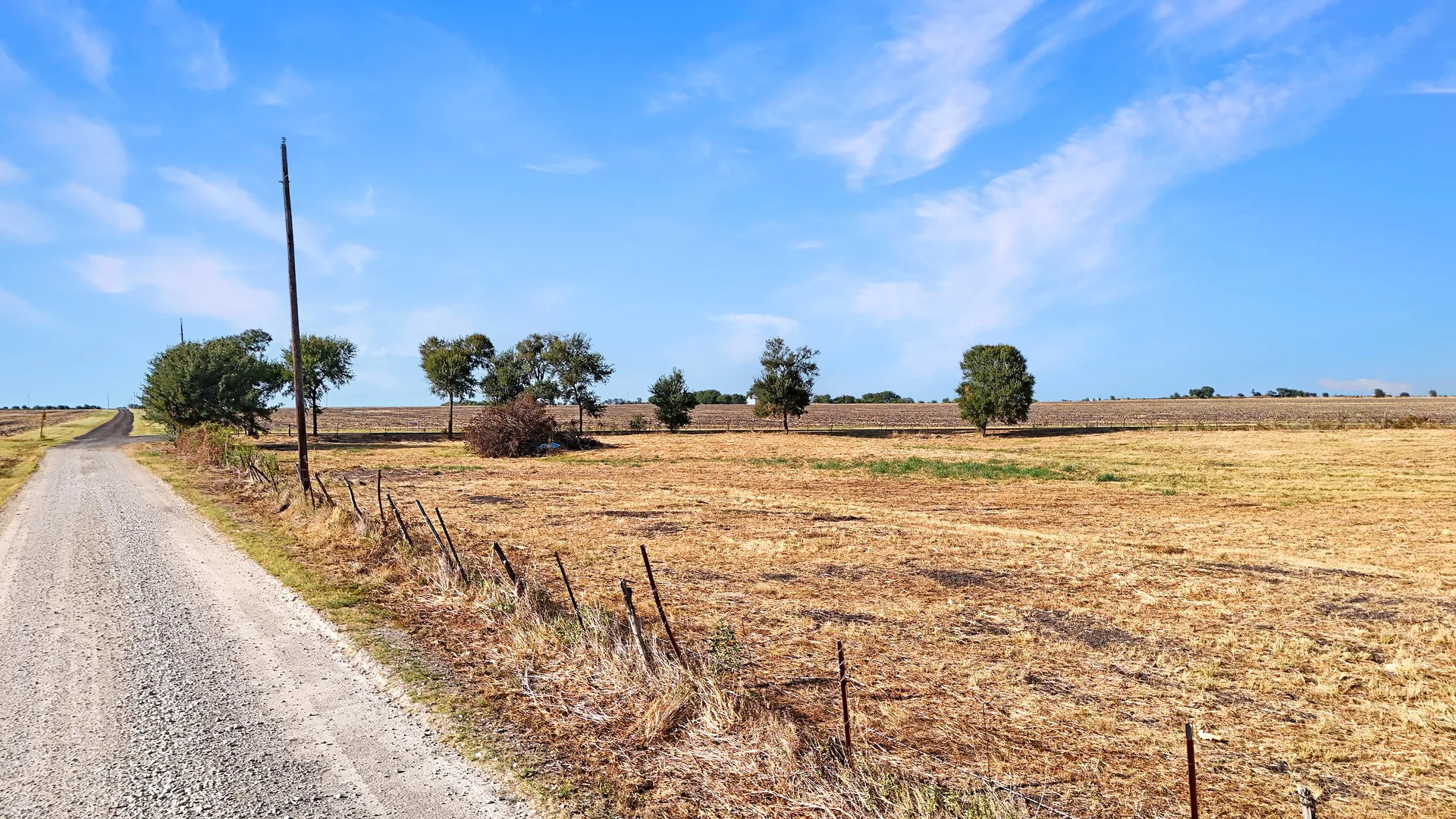
This guide covers planting winter cover crops in Ellis County, Texas: when to plant them, which species grow well in North Central Texas, and how they improve the soil on acreage and in garden beds. If you are looking at a small farm, a homestead, or simply a backyard garden around Ennis and Italy, late October is the last good window to get seed in the ground before the first frost. Here is what to plant, how to seed it, and when to put it down.
When should you plant winter cover crops in Ellis County?
In North Central Texas, the fall planting window for winter cover crops opens in late September and runs through October, with the goal of getting seed in the ground early enough that it establishes before the first frost, which in Ellis County typically arrives in mid-November. Texas A&M AgriLife Extension stresses that timing is the single biggest factor in success: a cover crop seeded too late simply does not grow enough biomass to do its job. For most of the region, that means sowing in October and hoping for a couple of good rain events before cold weather.
Which cover crops grow well in North Central Texas?
Texas A&M AgriLife recommends pairing a winter-hardy grass with a legume. The reliable grass options in the Blackland Prairie are cereal rye (sometimes sold as Elbon rye), wheat, oats, and annual ryegrass. The legumes that fix nitrogen are crimson clover, hairy vetch, and Austrian winter peas. A typical mix on acreage here is cereal rye with crimson clover: the rye grows fast, anchors the soil, and smothers winter weeds, while the clover adds nitrogen that the next crop can use.
Why plant a cover crop at all?
Winter cover crops do four jobs that matter on Texas soil. Legumes like crimson clover and hairy vetch fix atmospheric nitrogen, contributing roughly 50 to 200 pounds per acre under good conditions. Cereal rye is one of the best erosion fighters in Texas, its fibrous roots holding soil in place through winter rains. The dense canopy of a grass crop shades out cool-season weeds. And when you terminate the cover, the residue feeds soil microbes, adds organic matter, and improves soil structure over time. Texas A&M AgriLife calls cover crops one of the most effective tools in resilient agriculture.
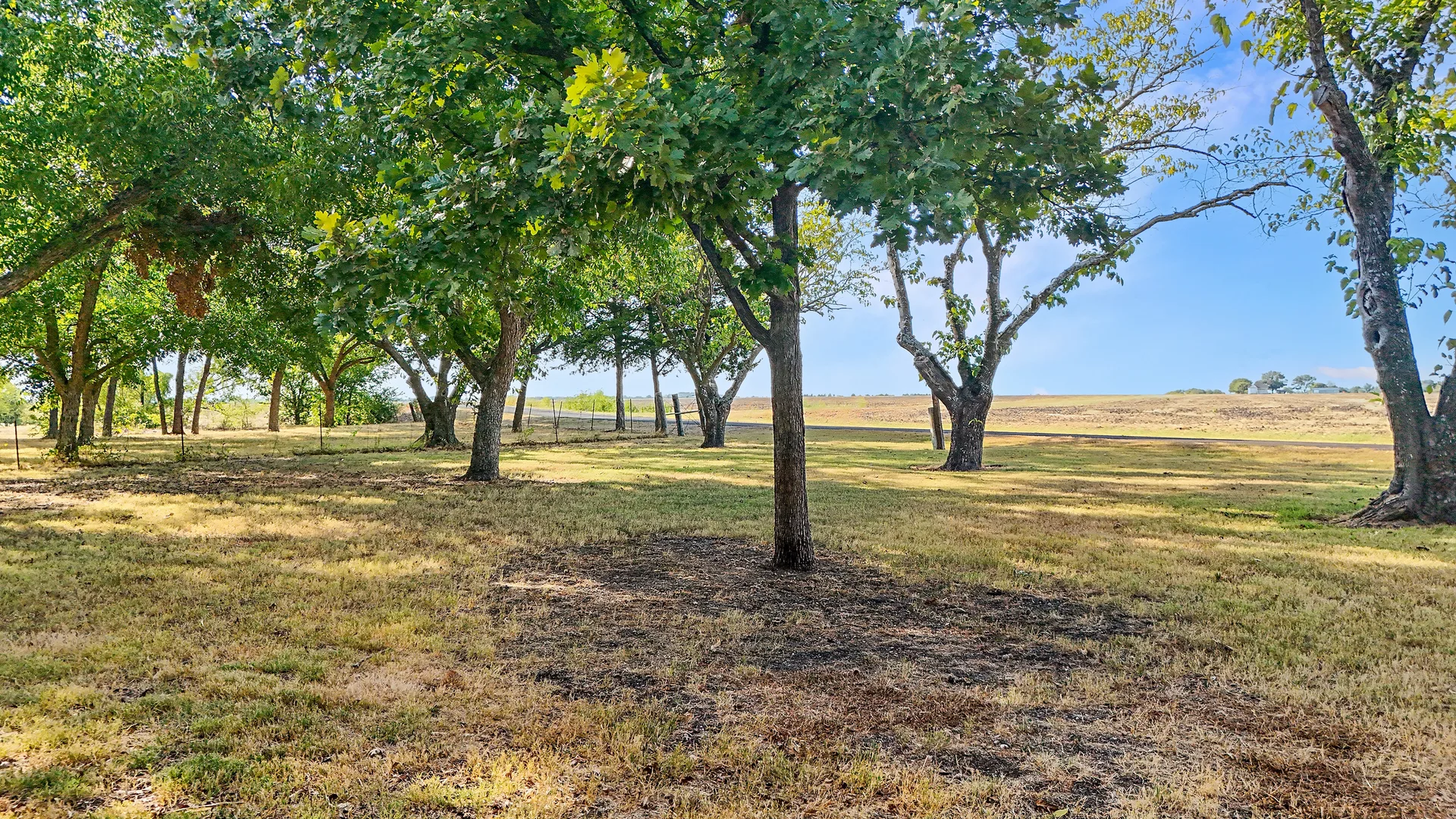
How do you seed a cover crop on a garden or small acreage?
For a garden bed or a small pasture patch, you do not need a drill. Broadcast the seed by hand or with a small spreader, then rake it in lightly so the seed has soil contact, and keep it moist until germination. Texas NRCS guidance puts cereal rye at 56 to 120 pounds per acre (roughly 60 to 90 pounds broadcast), and crimson clover at 15 to 20 pounds per acre drilled or 20 to 25 pounds broadcast. Scaled down to a 1,000-square-foot garden, that is about one to two pounds of rye and a bit under half a pound of crimson clover. Note that coated clover seed weighs more, so adjust for the coating.
When and how do you terminate a winter cover crop?
In the Blacklands, the standard window to terminate is late February through early April, roughly two to six weeks before you plant your spring crop. Texas A&M research points to terminating at least six weeks ahead for moisture conservation and to keep the residue from being too thick to plant through. The hard rule: kill the cover before it sets seed, because a legume that goes to seed in mid-April simply becomes a weed. Mowing, rolling, or tilling it down leaves the residue on the surface where it continues to protect and feed the soil.
How do you know what your soil needs?
Before you spend money on seed, test the soil. The Texas A&M AgriLife Extension Soil, Water and Forage Testing Laboratory in College Station runs a basic homeowner test for about $12, and the Ellis County AgriLife Extension office at 2675 W US Hwy 287 Business in Waxahachie supplies free sample bags and the submittal form. Take soil from six inches deep in eight to ten spots across the area you want to plant, mix it in a clean bucket, and send off a labeled sample. Results come back in about two to three weeks, telling you your pH and nutrient levels so you can seed and amend with purpose.
Cover crops and the acreage at 917 Goodwyn Rd
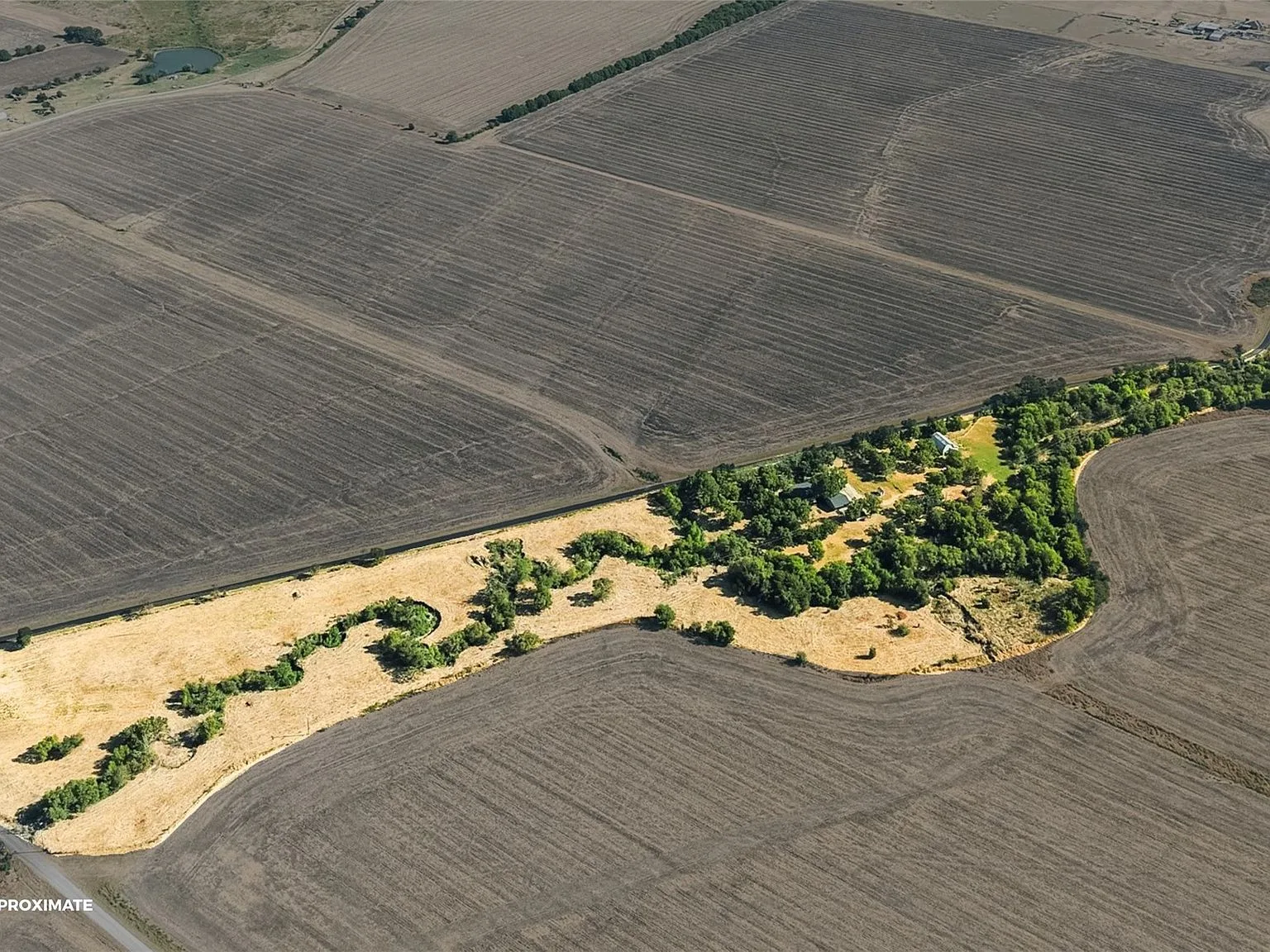
The 18+ acres at 917 Goodwyn Rd in Italy include open pasture and garden-able ground around the renovated three-bedroom home, the kind of space where a winter cover crop is a smart first season project. Seeding rye and crimson clover this fall is inexpensive, low-risk, and visibly improves the soil by spring, which matters whether your plan is a vegetable garden, a small livestock operation, or just building the health of the land you own.
Shannon and Scott Miles of the Shannon Miles Group at eXp Realty are New Construction Specialists and Land and Ranch Specialists, founding members of the eXp Land and Ranch division, based at 2322 Lamar Ave. in Paris, Texas. Both hold the Graduate, REALTOR Institute designation and are Certified Luxury Home Marketing Specialists. Call 903-785-2005 to tour the property and walk the ground you would be seeding.
See the acreage before you seed it
Tour the renovated home and all 18+ acres at 917 Goodwyn Rd, and talk through how the land could work for a garden, livestock, or a homestead plan. Call the Shannon Miles Group at 903-785-2005.