Raising goats on Ellis County acreage: a starter guide for small herds
October 9, 2026 · Shannon Miles
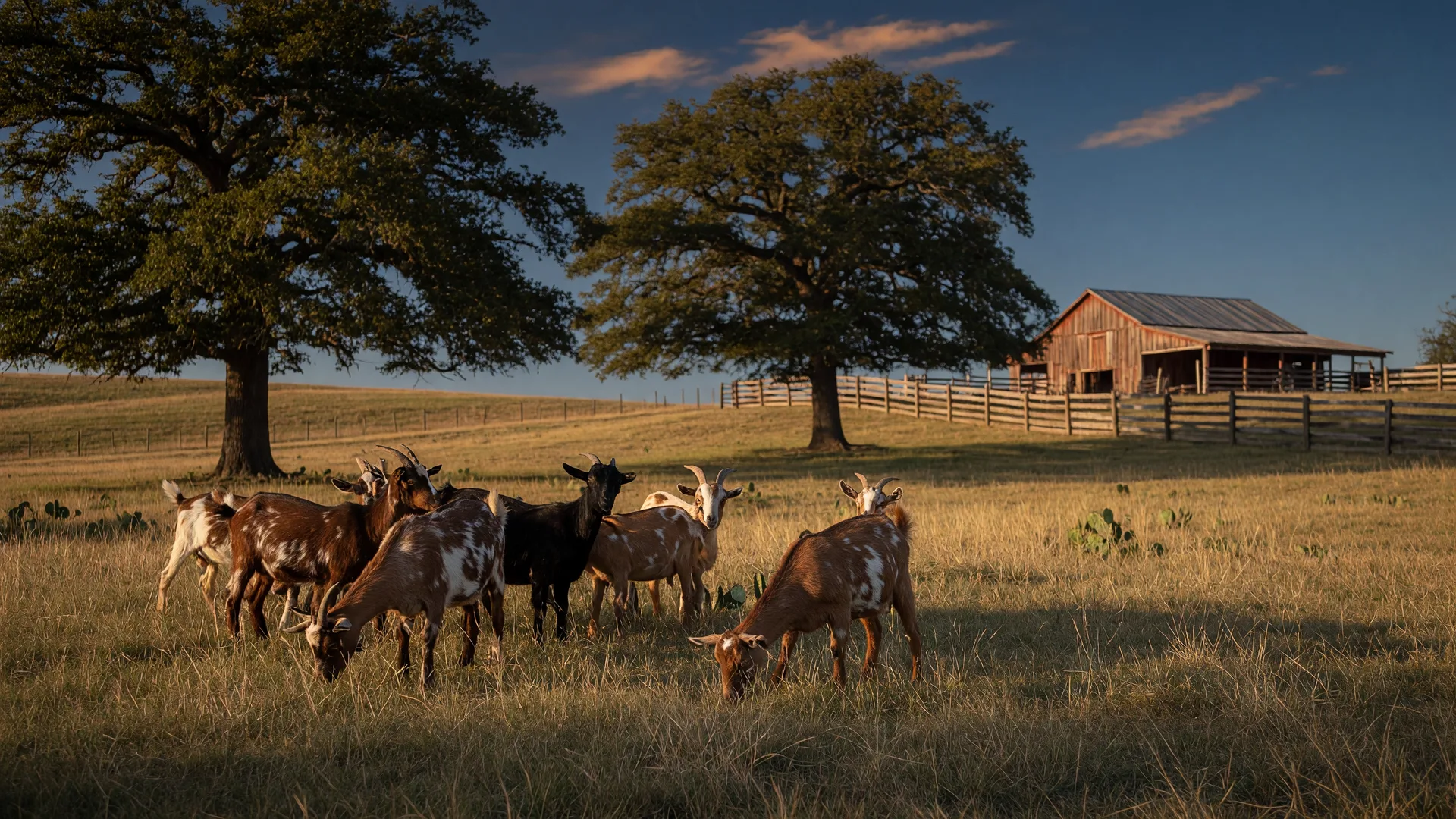
This guide is about raising goats on small acreage in Ellis County, Texas and what to plan before you bring a herd home. The short answer is that a few goats fit comfortably on a tract like this one: Texas A&M AgriLife Extension lists goats among the livestock enterprises best suited to small acreage with minimal facilities. Your success comes down to fencing, shelter and a health plan, not the size of the land.
Can you keep goats on acreage in Ellis County?
Ellis County is a closed range county under its local-option stock law, which means goats and other livestock must be kept fenced and may not run at large. There is no county-wide ban on goats on acreage in the unincorporated county. If the property sits inside a city, the city ordinance controls: the City of Ennis, for example, requires livestock enclosures at least 250 feet from any inhabited dwelling other than the owner's and kept sanitary. Before you add animals, check city rules and any subdivision covenants or HOA restrictions.
How much space does a small goat herd need?
Goats are small, which is exactly why they suit small acreage better than cattle do. Texas A&M AgriLife's guide Livestock for Small Acreage Landowners notes that even one to two acres can support a few goats when forage is supplemented. A common hobby-farm benchmark is roughly 200 to 400 square feet of roaming space per standard-size goat, or a dry lot of about 200 to 250 square feet per goat if you feed hay year-round. Goats also eat a surprising amount of brush and weeds, so a brushy pasture is a feature, not a problem.
What kind of fencing actually keeps goats in?
Goats are the hardest livestock to fence: they climb, push and squeeze through gaps, so the fence is the investment that matters most. Texas A&M AgriLife recommends heavy or extra-heavyweight woven wire at least 39 to 48 inches high, with openings small enough that a goat cannot get its head stuck or a predator get in, usually topped with an electrified hot wire. A three to four strand electric fence delivering roughly 4,000 to 5,000 volts also works. Barbed wire is not recommended because of the injury risk, and bottom wires should sit close to the ground. Walk any existing perimeter fencing before you buy.
Which goat breeds do well in Texas?
For meat, Boer goats are the popular choice for fast growth, Kikos are hardy, and Spanish brush goats, a landrace descended from goats brought by Spanish explorers, are extremely hardy, parasite-resistant and excellent at clearing brush. Dairy producers favor Nubians, Alpines and LaManchas, while Angoras produce the mohair Texas is known for. For a first herd, a hardy breed, solid fencing and a good veterinarian matter more than the breed name.
What does a starter setup include beyond the fence?
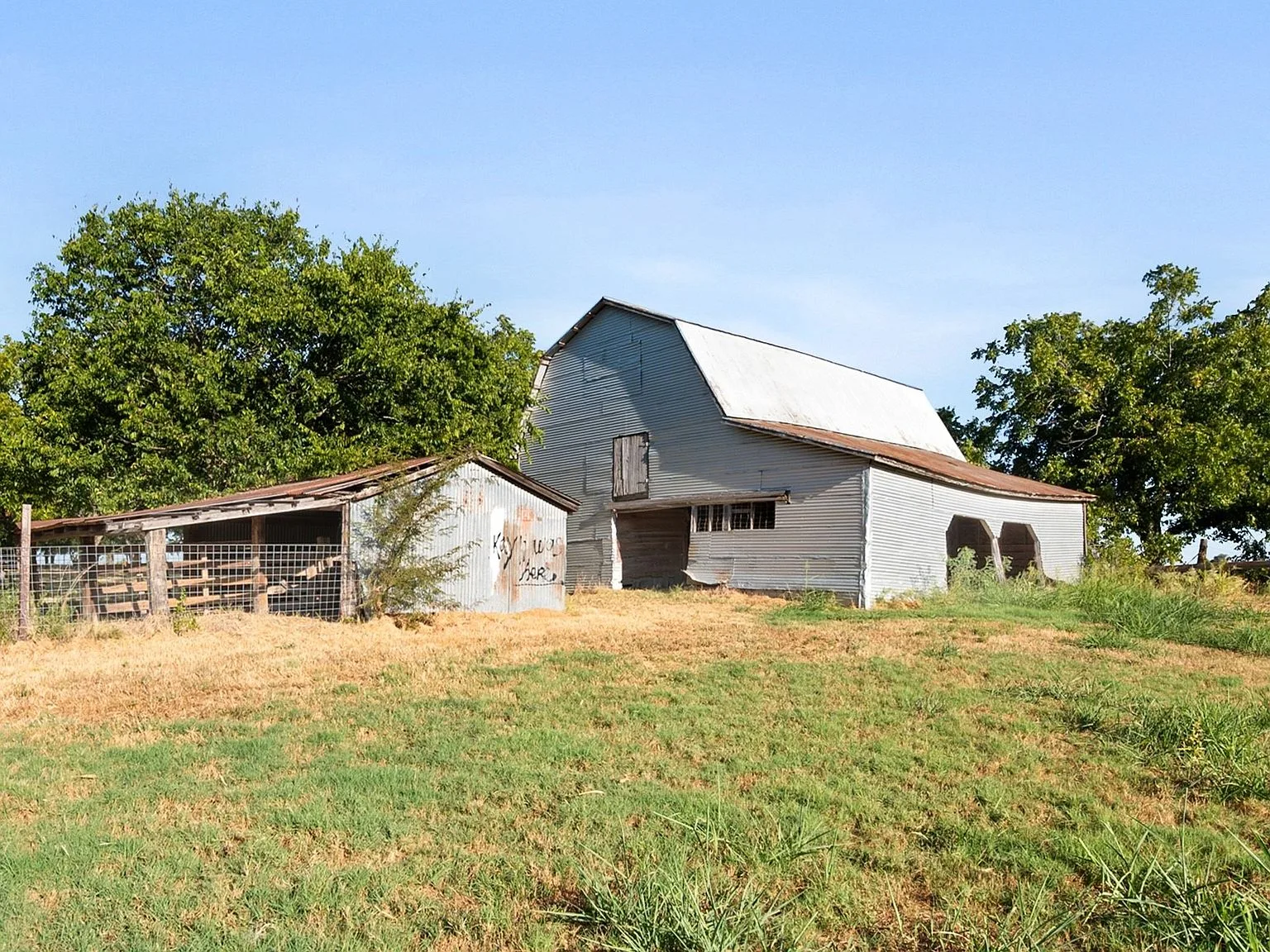
Plan a three-sided shelter that faces away from winter wind, clean water every day, a loose mineral formulated for goats and regular hoof trimming. Parasites are the biggest health issue in Texas: the barber pole worm thrives in warm, wet weather, so line up a large animal veterinarian before you need one. Many producers learn the FAMACHA eye-membrane scoring method to monitor worm loads. A property with the barn and water already in place, like this one, shortens the to-do list.
Could goats support an agricultural use valuation?
Here is what to know. The Ellis Central Appraisal District administers the Texas open space valuation, often called the 1-D-1 agricultural exemption, which values qualifying land at its productivity value instead of market value. Ellis County requires a minimum of 10 acres used primarily for agriculture at the degree and intensity generally accepted in the area, with the application filed by April 30. Common guidance counts about five goats as roughly one animal unit, and the tract must be large enough to support the herd you claim. Standards change, so contact the appraisal district directly for current requirements, and keep the use in place: if the land stops qualifying, rollback taxes can apply. Talk it through with a tax professional rather than guessing.
What should you look for when shopping for goat-ready acreage?
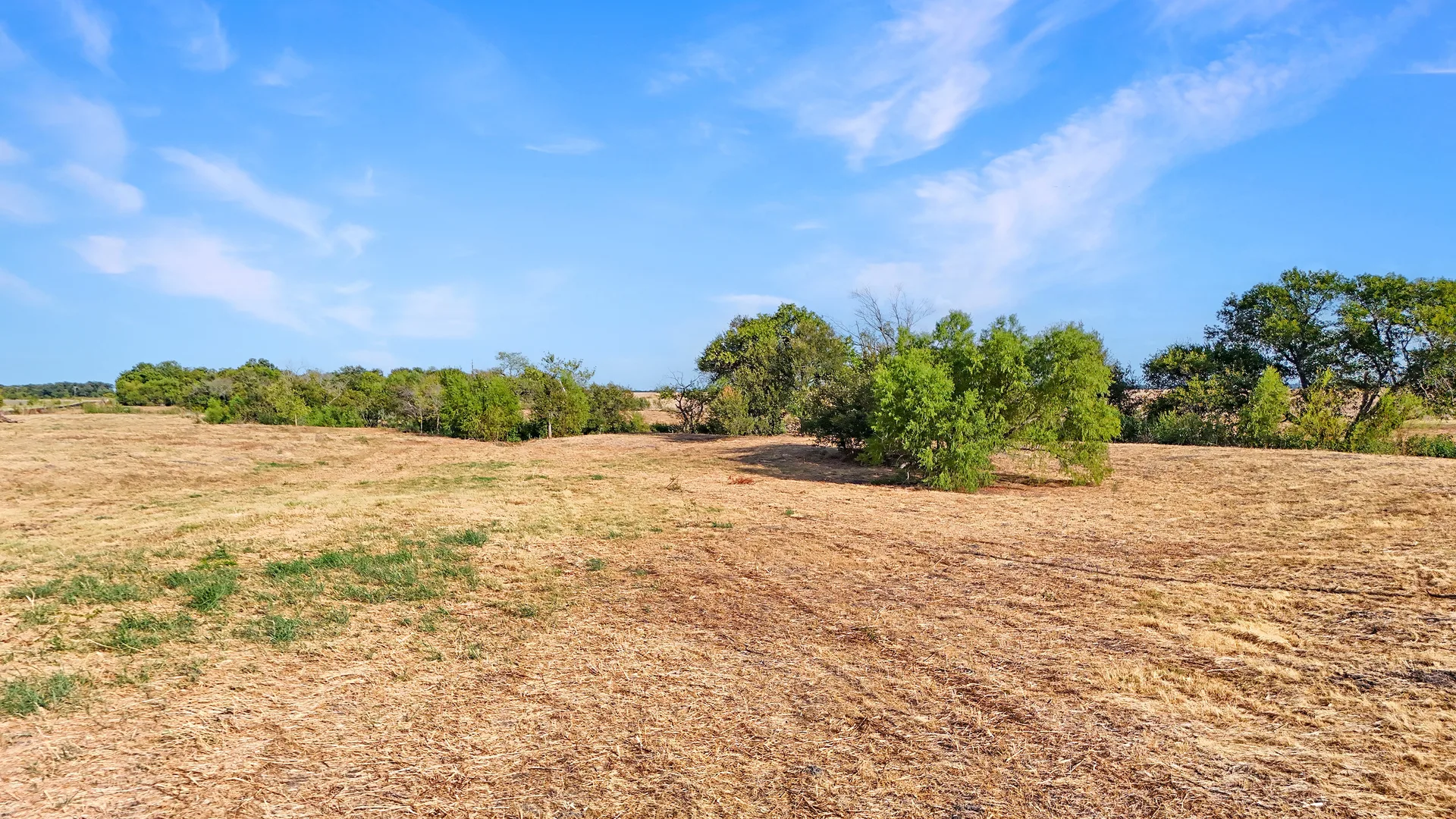
Walk the fencing first, then the barn and outbuildings, then water access, and how much of the tract is open pasture versus wooded. At 917 Goodwyn Rd, the barn and poultry setup are established on more than 18 acres of pasture and mature trees with a creek line, and the long tract offers distinct areas, so a small herd can have its own paddock while the garden and the house stay separate. Room between you and the neighbors is part of the appeal.
Shannon and Scott Miles of the Shannon Miles Group are Land and Ranch Specialists and founding members of the eXp Land and Ranch division, based at 2322 Lamar Ave. in Paris, Texas. Both hold the Graduate, REALTOR Institute designation and are Certified Luxury Home Marketing Specialists, and they help acreage buyers read the fencing, water, barns and access a livestock setup needs before they make an offer.
Plan the herd before you close
Tour 917 Goodwyn Rd and picture a small herd on the pasture. Ask Shannon and Scott what to verify before you bring goats home. Call the Shannon Miles Group at 903-785-2005 to schedule your visit.