Driveways, county roads, and FM roads: what to know before you buy Ellis County acreage
October 2, 2026 · Shannon Miles
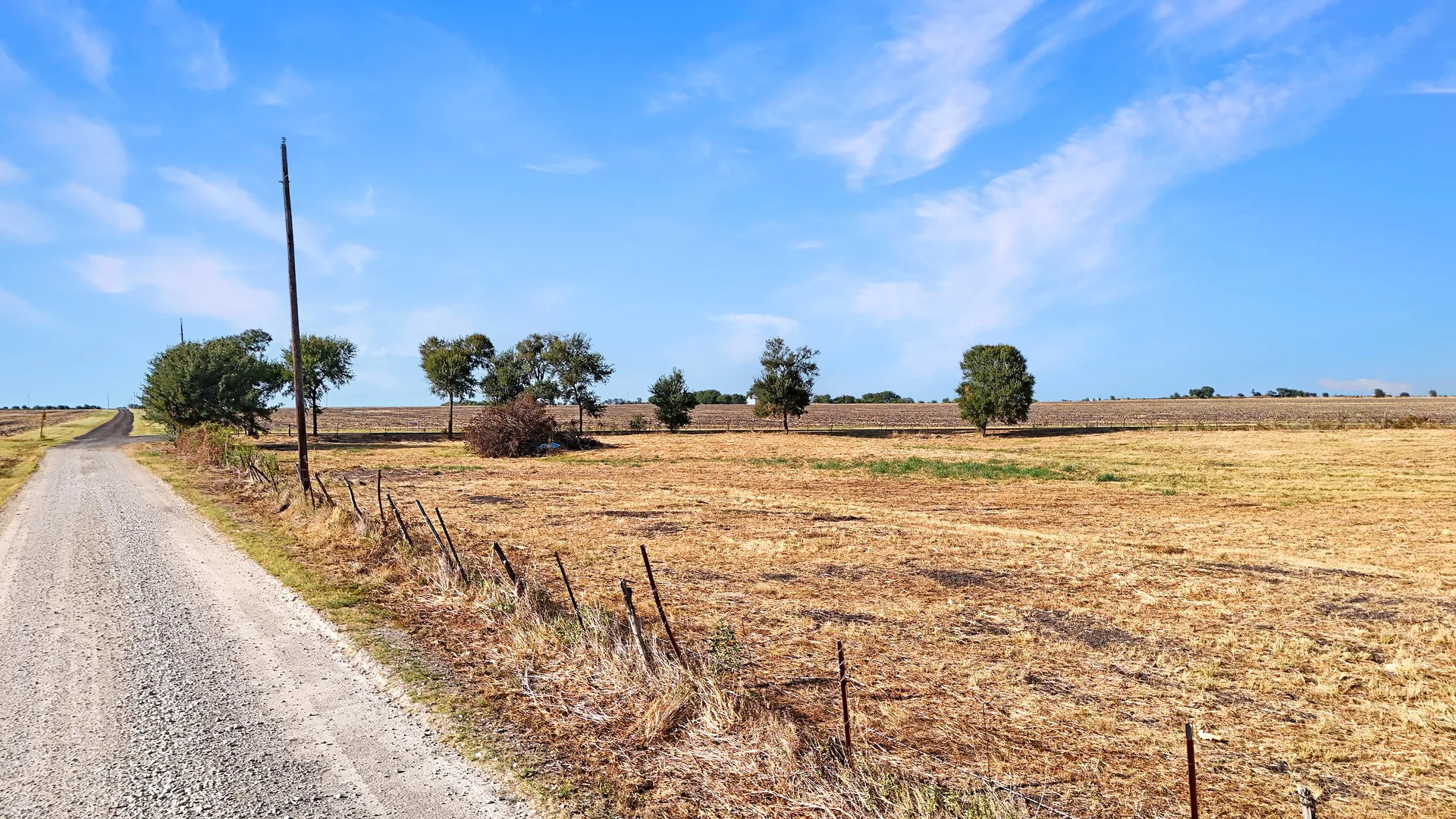
This guide covers what buyers of rural Ellis County acreage should know about driveways, county roads and Farm to Market roads before they make an offer. The short version is that the road in front of a tract tells you who maintains it, who has the right to use it, and what kind of approach and permits a driveway will need. Answering those three questions early is what separates a smooth rural purchase from a surprise after closing.
Who maintains the roads around Ennis and Italy?
Many tracts in Ellis County, including this one, sit along roads that are either county roads or Farm to Market roads, and the distinction decides who is responsible for upkeep. Farm to Market roads, called FM roads for short, are part of the Texas state highway system, built, funded and maintained by the Texas Department of Transportation (TxDOT). County roads are public roads in unincorporated areas that the county has accepted for maintenance, overseen by the county Commissioners Court and handled day to day through each precinct. Around Ennis and Italy you will find both, so a quick look at a title commitment or a call to the county can tell you exactly what fronts a property you are considering.
FM roads and county roads: the practical difference
FM roads earned their name because they connect farms and ranches to markets and nearby towns, and they are signed as state highways. Because TxDOT maintains them, the pavement, shoulders and drainage are held to state standards. County roads are maintained to local standards, and priorities can vary from precinct to precinct, which can mean slower recovery after heavy rain or a busy harvest season. For a buyer the practical difference is simple: FM roads get state-level attention, county roads get county-level attention, and both are a good reason to see current road conditions in person.
Driveway permits and the basics of building an approach
If a driveway opens onto an FM road or any other state highway, the property owner normally needs a TxDOT driveway permit before constructing or modifying the approach. The form commonly involved is TxDOT Form 1058, Permit to Construct Access Driveway Facilities on Highway Right of Way, issued by the local TxDOT district office. Driveways onto county roads fall under the county's own road standards and often need county approval as well. Either way, the property owner, not the agency, builds and maintains the private driveway itself.
A good rural driveway starts with drainage and a solid base. Where a ditch crosses the approach, a properly sized culvert keeps water moving instead of washing out the gravel. Gravel is the most common choice on acreage because it is affordable to install and easy to regrade, and a well-built driveway gives trucks, trailers and school buses a dry turnaround in wet weather. It is worth planning the route with heavy vehicles in mind, because a driveway that works fine for a sedan may not work for a livestock trailer.
Easements, right of way and recorded legal access
The paperwork question matters more than the gravel. A right of way is an easement that grants the right to pass across land, and access across a neighbor's property is a private easement, usually documented in the deed records. An appurtenant easement attaches to the land and passes with it when it sells, while utility easements give water, electric and internet providers the right to run lines across specific parts of the tract. Buyers should confirm in the title commitment that the tract has recorded legal access to a public road, and should note the location and width of any easement on the survey. Texas A&M AgriLife's Texas Agricultural Law program and the Texas Real Estate Research Center both publish clear introductions to easements, and both are worth reading before you shop.
What to check at a property like 917 Goodwyn Rd
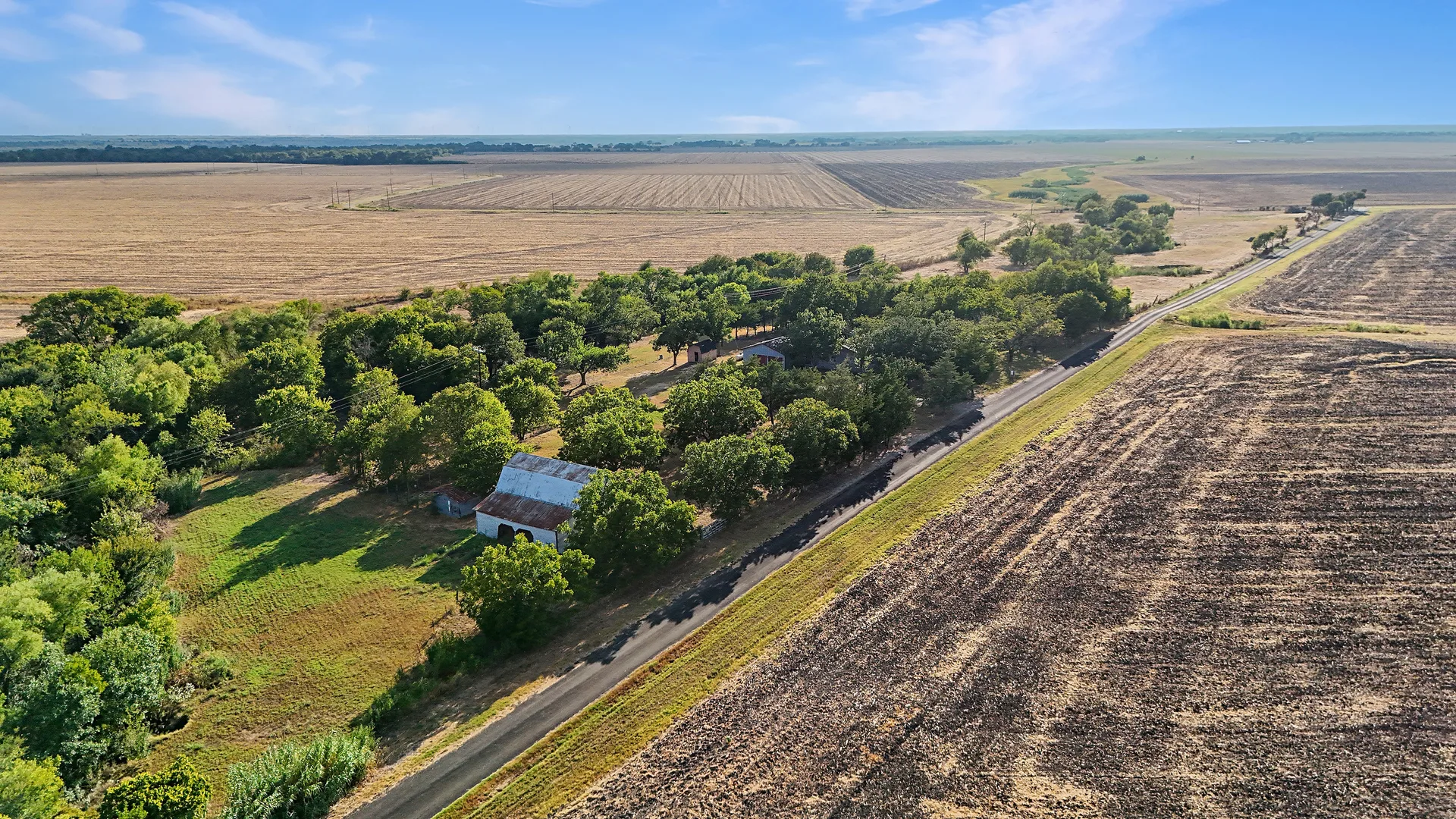
917 Goodwyn Rd fronts two roads, Goodwyn Road and Guisler Road, and that second frontage is one of the more interesting features of this tract. It gives the far end of the property its own potential access point, which can support a second gate, a separate livestock area, a second homesite, or, subject to applicable requirements and your own due diligence, a possible future division of the property. The survey also reflects multiple well improvements, including a well house, so the improvements are on paper for you to review rather than a surprise after closing.
Ask the people who walk the land
The road, the access and the easements are as much a part of the purchase as the house, and a knowledgeable land agent will show you all of it before you commit. Shannon and Scott Miles of the Shannon Miles Group are Land and Ranch Specialists and founding members of the eXp Land and Ranch division, based at 2322 Lamar Ave. in Paris, Texas. Both hold the Graduate, REALTOR Institute designation and are Certified Luxury Home Marketing Specialists, and they will pull the survey, walk the road frontage and explain what the county or TxDOT would require before you make an offer.
See both road frontages in person
Tour the renovated home and all 18+ acres at 917 Goodwyn Rd, and ask about access, easements and the survey. Call the Shannon Miles Group at 903-785-2005.