Raising chickens on Ellis County acreage: a starter guide for small flocks
September 23, 2026 · Shannon Miles
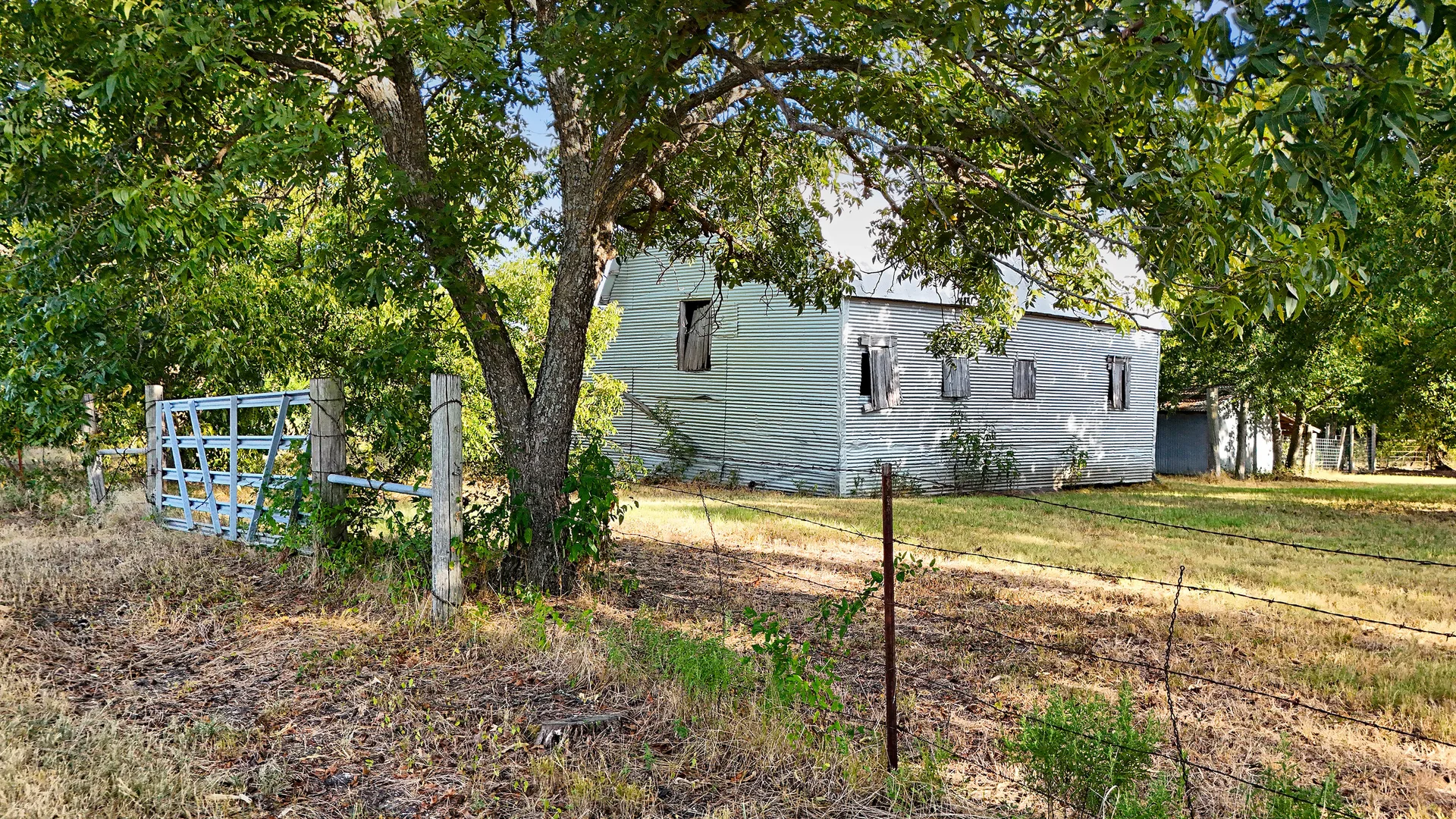
This guide covers what it takes to raise chickens and a small flock on acreage in Ellis County, Texas: how much coop space you need, how to keep birds healthy through Texas heat, what changes in the fall, and what the county requires. The short answer: a starter flock fits comfortably on a small-acreage tract, and the right infrastructure often comes with the property.
Does Ellis County regulate chickens on rural acreage?
Texas has no statewide statute limiting how many chickens or other fowl a property owner can keep, and Ellis County does not have a general ordinance regulating chickens, poultry or ordinary livestock in unincorporated rural areas. The county's animal-related order is limited to dangerous wild animals. What rural owners should keep up with: livestock brands, earmarks and tattoos are recorded through the county clerk, and state estray rules govern loose livestock. Confirm current rules on the county website.
City codes are separate: every nearby city writes its own limits, so buyers inside a city limit should check that ordinance first. 917 Goodwyn Rd sits outside any city limits, so the rural county rules apply here, and the established poultry setup can keep working as it has.
How much space does a small flock actually need?
Texas A&M recommends at least 3 square feet of coop floor per standard heritage breed hen, about 2 square feet for smaller breeds, and 4 to 5 square feet for giant breeds. By that rule, a modest 6 by 8 foot coop shelters a dozen or so standard hens at night. Add an enclosed outdoor run and pasture access when you can: birds that range scratch, forage and eat less supplemental feed.
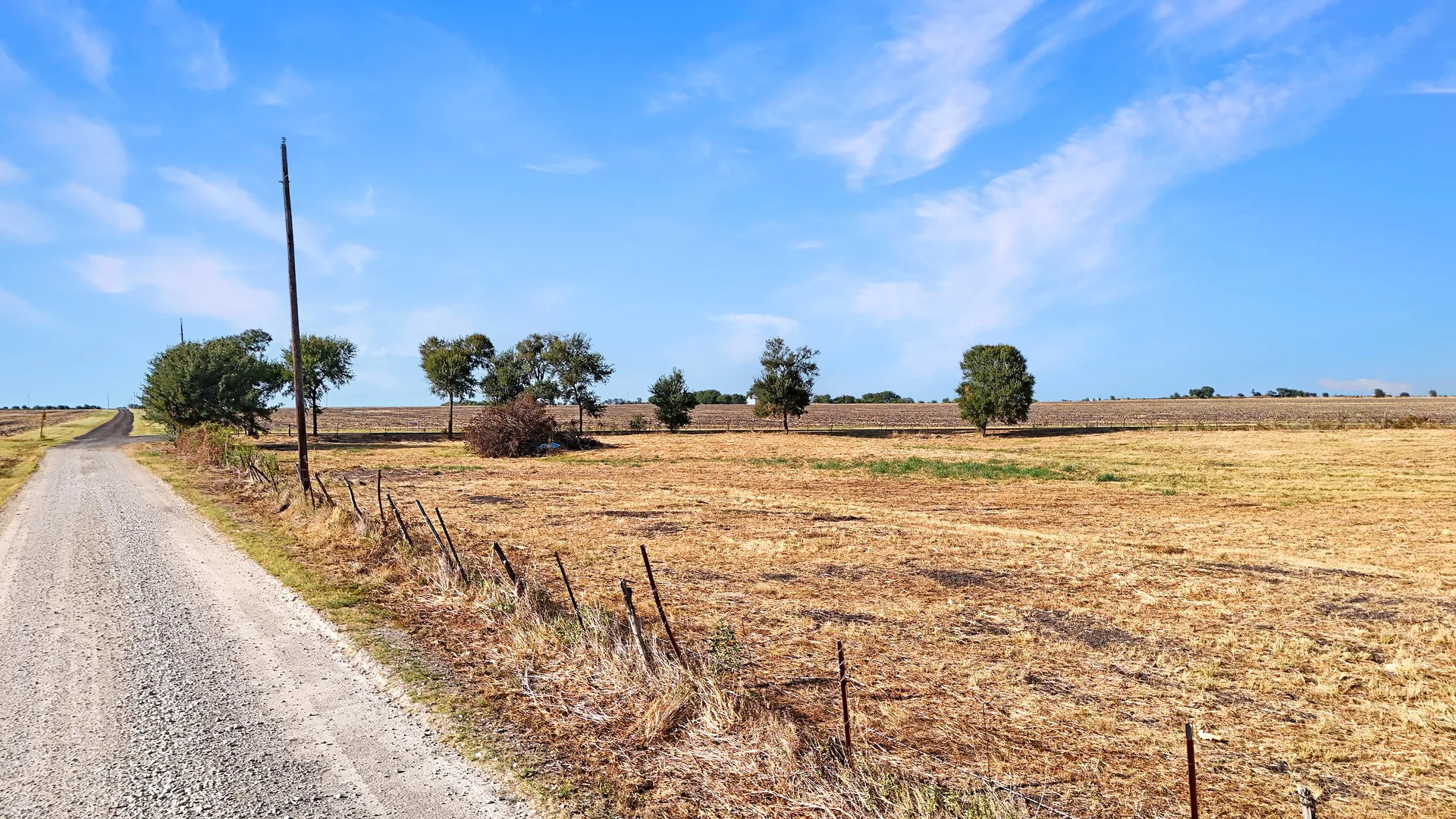
On the 18+ acres at 917 Goodwyn Rd, a flock is a rounding error in land use. The barn and poultry setup already stand, so a new owner starts with housing and fencing done rather than from scratch.
What should the coop include before the birds arrive?
Build for predators first. Raccoons and opossums can pry a simple latch, so cover every opening with hardware cloth and use locks they cannot work. Ventilation is second: Texas A&M AgriLife's poultry guidance recognizes airflow through screened openings as part of a healthy house and no draft at roost level.
Inside, add a roost bar off the floor, one nest box per three or four hens, and deep, clean bedding. Place the coop in shade with good drainage, and store feed in a metal container rodents cannot chew.
How do you keep a flock cool and watered in Texas heat?
Heat is the most dangerous season for a Texas flock. Chickens drink more in summer, so plan for clean, cool water in the shade, refreshed daily. Texas A&M AgriLife's Travis County extension team recommends cool water and a shallow birdbath to help hens beat the heat, alongside shade and airflow. When the temperature climbs, check water twice daily.
What changes in the fall: molting, eggs, and winter prep
Sometime this fall your hens will molt. Texas A&M veterinary medicine explains that molting is a normal annual process: hens stop laying and redirect energy to replacing feathers before winter. Do not mistake it for illness. Offer higher-protein feed while feathers regrow, and skip artificial light that pushes production back too early.
As nights cool, seal drafts at bird level while keeping ventilation open above, lay in deeper bedding, and protect water lines from freezing. A well-built coop carries most flocks through a Texas winter.
What about goats, cattle, or larger stock?
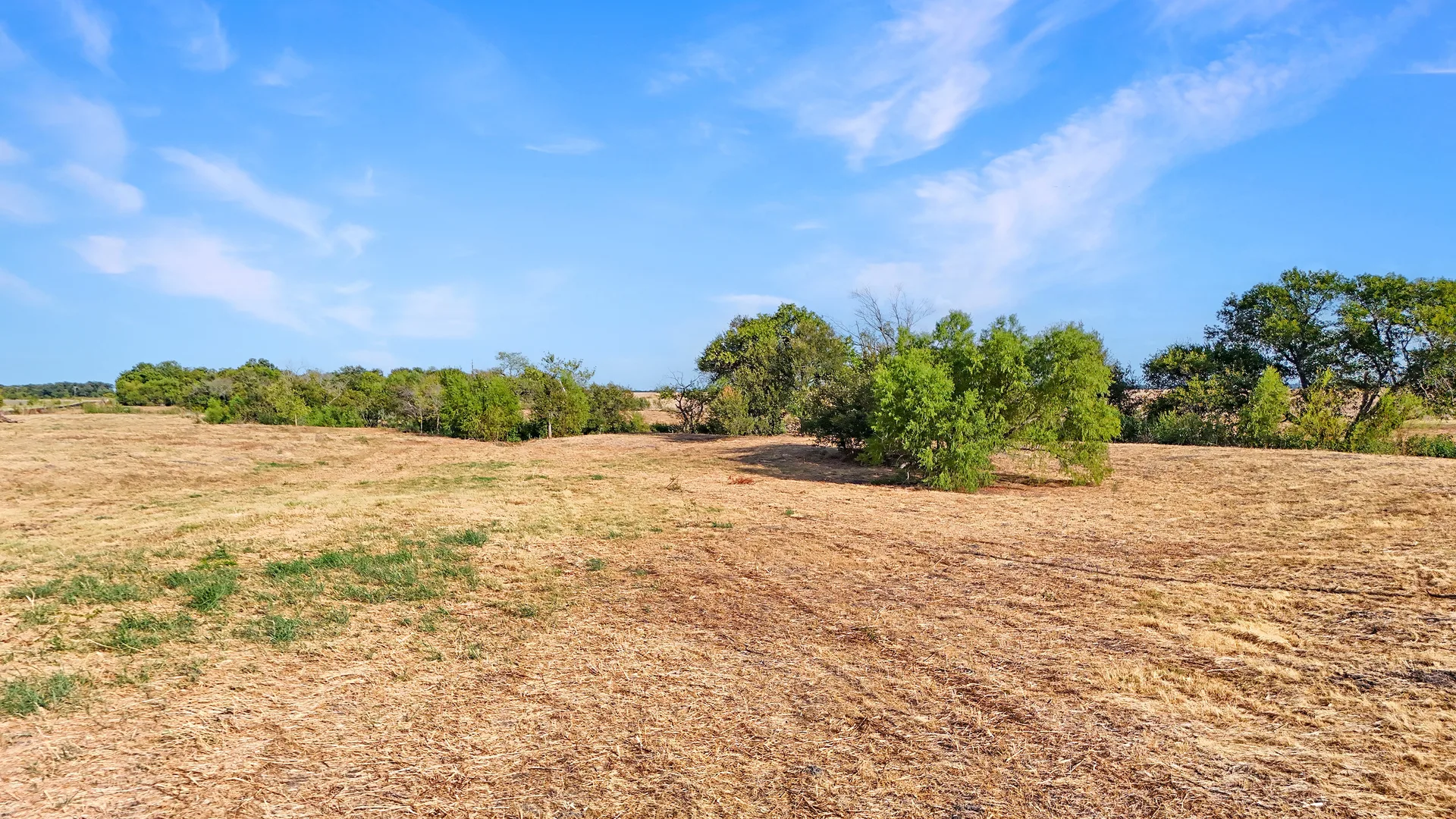
If a few goats, a milk cow or a small beef herd is the goal, acreage like this has room to rotate pasture, and the creek that winds through the tract supplements troughs. Take it one step at a time: soil test the pasture, fence before you stock, and keep records of land use. If the property qualifies, ask the Ellis Central Appraisal District about agricultural-use valuation, a conversation that shapes the tax picture.
Pair the flock with the right property
Shannon and Scott Miles of the Shannon Miles Group are Land and Ranch Specialists and founding members of the eXp Land and Ranch division, based at 2322 Lamar Ave. in Paris, Texas. Both hold the Graduate, REALTOR Institute designation and are Certified Luxury Home Marketing Specialists. When we tour 917 Goodwyn Rd we walk the barn, the poultry setup, the fencing and the creek line, and talk through what a starter flock and pasture can become.
See the poultry setup in person
Tour the renovated three-bedroom home and all 18+ acres at 917 Goodwyn Rd, and see the barn and poultry setup for yourself. Call the Shannon Miles Group at 903-785-2005.